
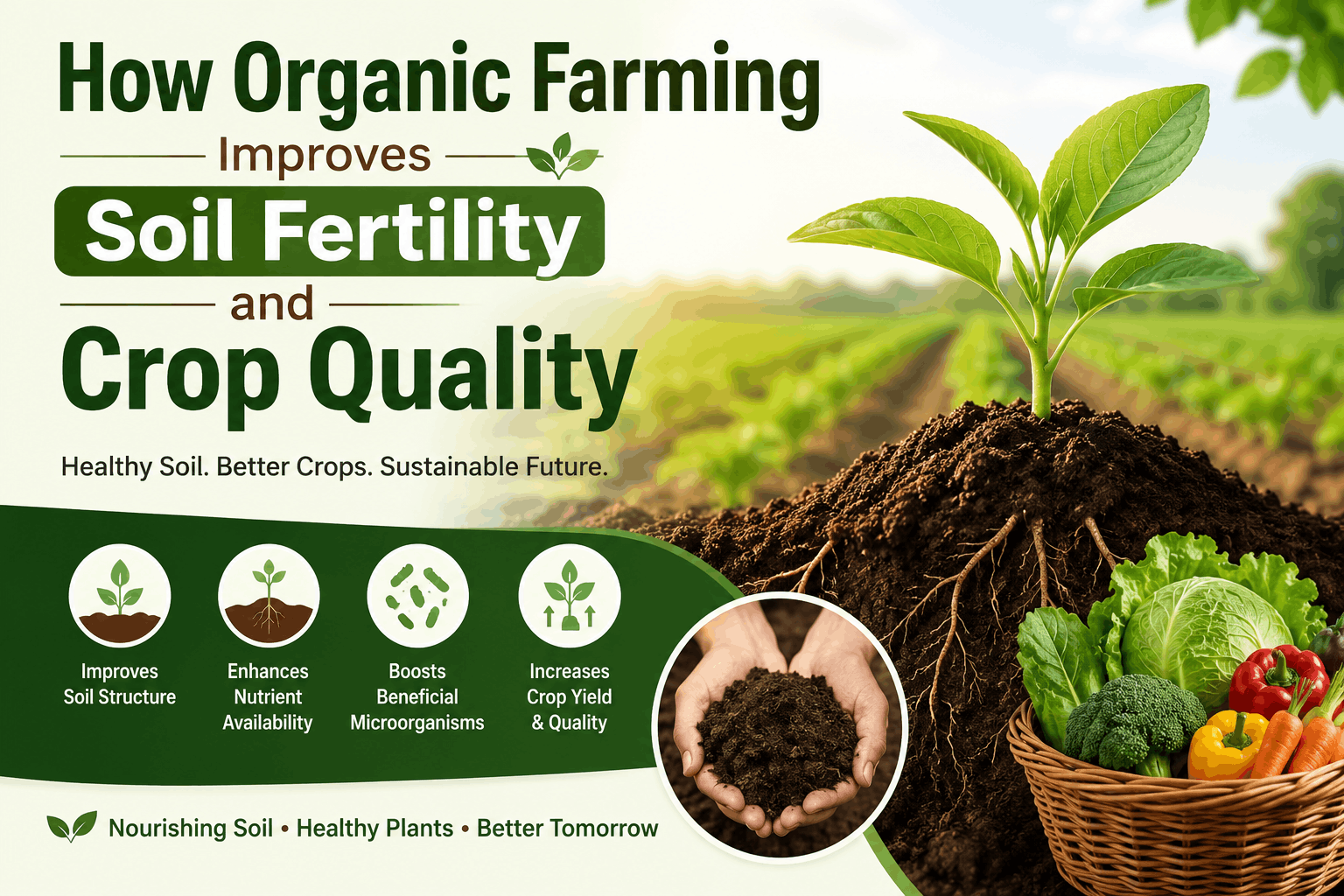
Healthy soil is the foundation of successful farming. When soil has the right nutrients, organic matter, and microbial activity, crops can grow stronger and produce better-quality harvests. This is one of the main reasons why more farmers are showing interest in organic and sustainable farming practices.
Organic farming focuses on maintaining soil health by using natural inputs and farming methods that support the soil instead of continuously depending on synthetic chemicals. Practices such as crop rotation, composting, green manuring, and the use of biofertilizers can help improve soil fertility over time.
How Organic Farming Improves Soil Fertility
Soil fertility is not only about the amount of nutrients present in the soil. It also depends on soil structure, moisture retention, organic matter, and beneficial microorganisms. Organic farming supports these factors together.
Adding organic matter through compost, farmyard manure, and green manure can improve soil structure and help the soil hold water more effectively. Organic matter also provides food for beneficial microorganisms that play an important role in nutrient cycling.
Another important benefit is improved nutrient availability. Some beneficial microorganisms can help make nutrients more available to plants, allowing crops to use them more efficiently. Biofertilizers are one such biological input used in sustainable farming systems to support soil fertility and nutrient uptake.
Role of Different Types of Organic Farming
There are different Types of Organic Farming, and each approach can support healthy soil in its own way. Crop rotation, integrated farming, natural farming, biodynamic practices, and other organic approaches focus on reducing soil stress and maintaining natural resources.
Crop rotation, for example, prevents the same nutrients from being continuously removed from the soil by the same crop. It can also help break pest and disease cycles. Similarly, green manuring adds organic material back to the soil and can support better soil fertility.
Choosing the right approach depends on the crop, soil condition, climate, and farming goals. The key is to follow practices that maintain soil health over the long term.
Organic Farming Practices That Improve Soil Health
Several simple farming practices can make a noticeable difference in soil quality.
Composting turns organic waste into nutrient-rich material that can improve soil structure and add organic matter.
Crop rotation helps maintain nutrient balance and reduces pressure from certain pests and diseases.
Green manuring involves growing suitable plants and incorporating them into the soil to increase organic matter.
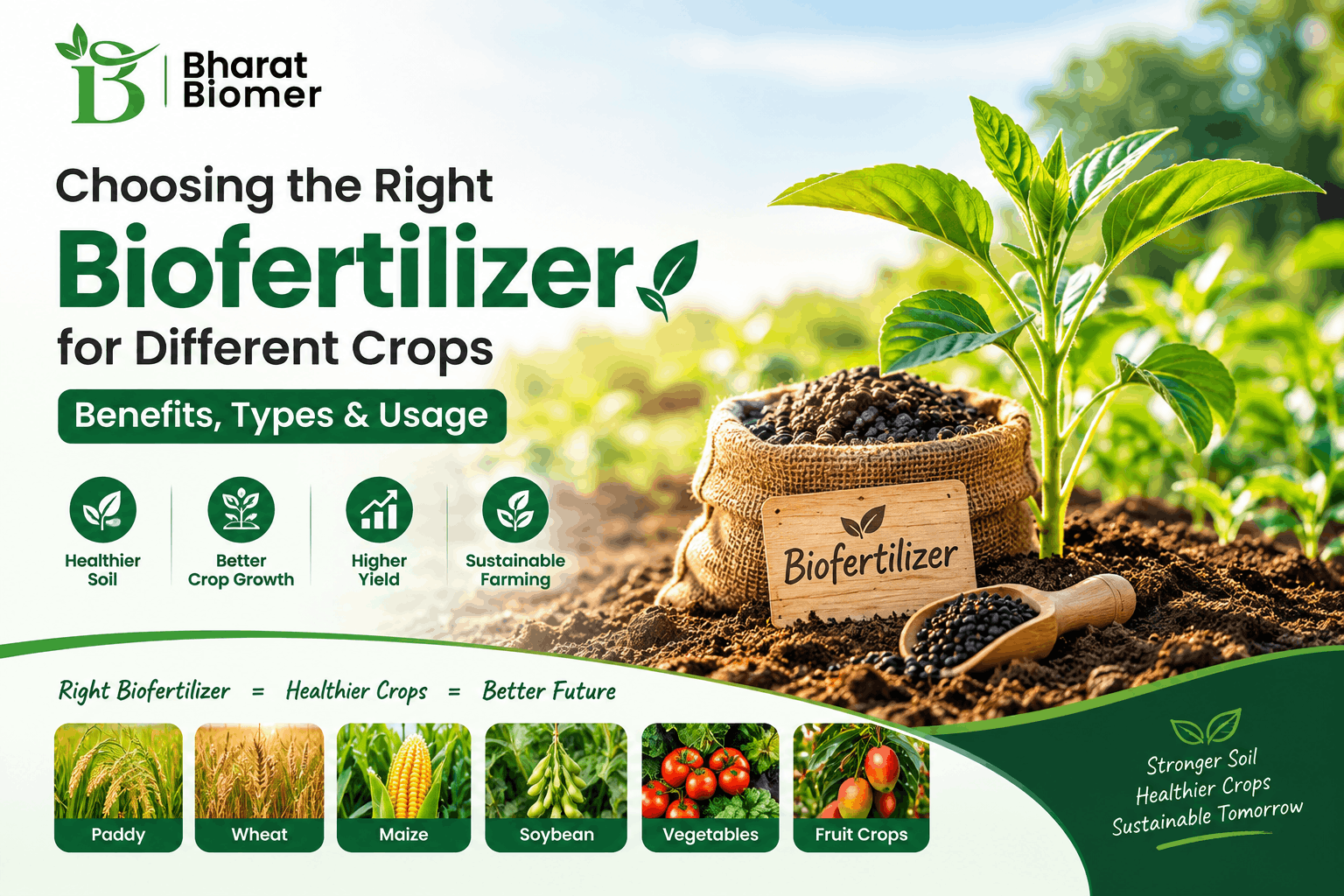
Biofertilizers contain beneficial microorganisms that support nutrient availability and microbial activity in the soil.
Natural pest management can help reduce unnecessary chemical pressure while supporting a healthier farm ecosystem.
When these practices are used properly, they can help create soil that is more productive and better able to support crops.
How Better Soil Fertility Improves Crop Quality
Healthy soil directly supports healthy plants. When roots have access to sufficient nutrients, moisture, and a supportive soil environment, plants can develop stronger root systems and better overall growth.
Improved nutrient uptake can support important stages such as vegetative growth, flowering, fruit development, and crop maturity. Healthier plants may also be better equipped to handle environmental stress.
For farmers, better soil management is not just about improving the current crop. It is about creating better growing conditions for future crops as well. Maintaining soil health can contribute to more consistent crop performance and sustainable productivity.
Role of Biofertilizers in Sustainable Farming
Biofertilizers are becoming an important part of modern sustainable agriculture. They use beneficial microorganisms to support soil health and improve nutrient availability. Depending on the formulation, these microorganisms may support processes such as nitrogen fixation, phosphorus solubilization, or nutrient mobilization.
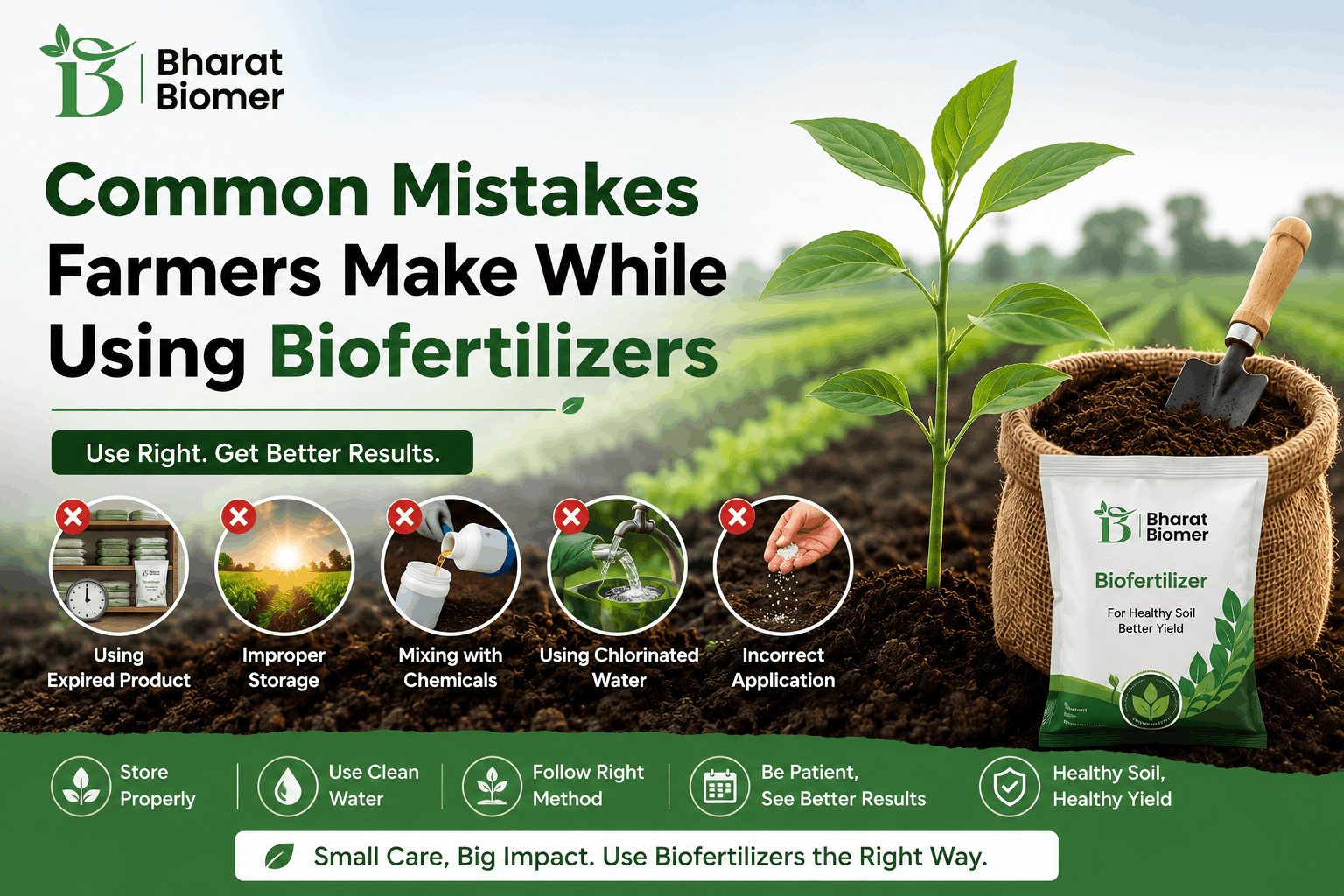
Because of this, biofertilizers can complement organic farming practices and help farmers manage soil fertility in a more biological way.
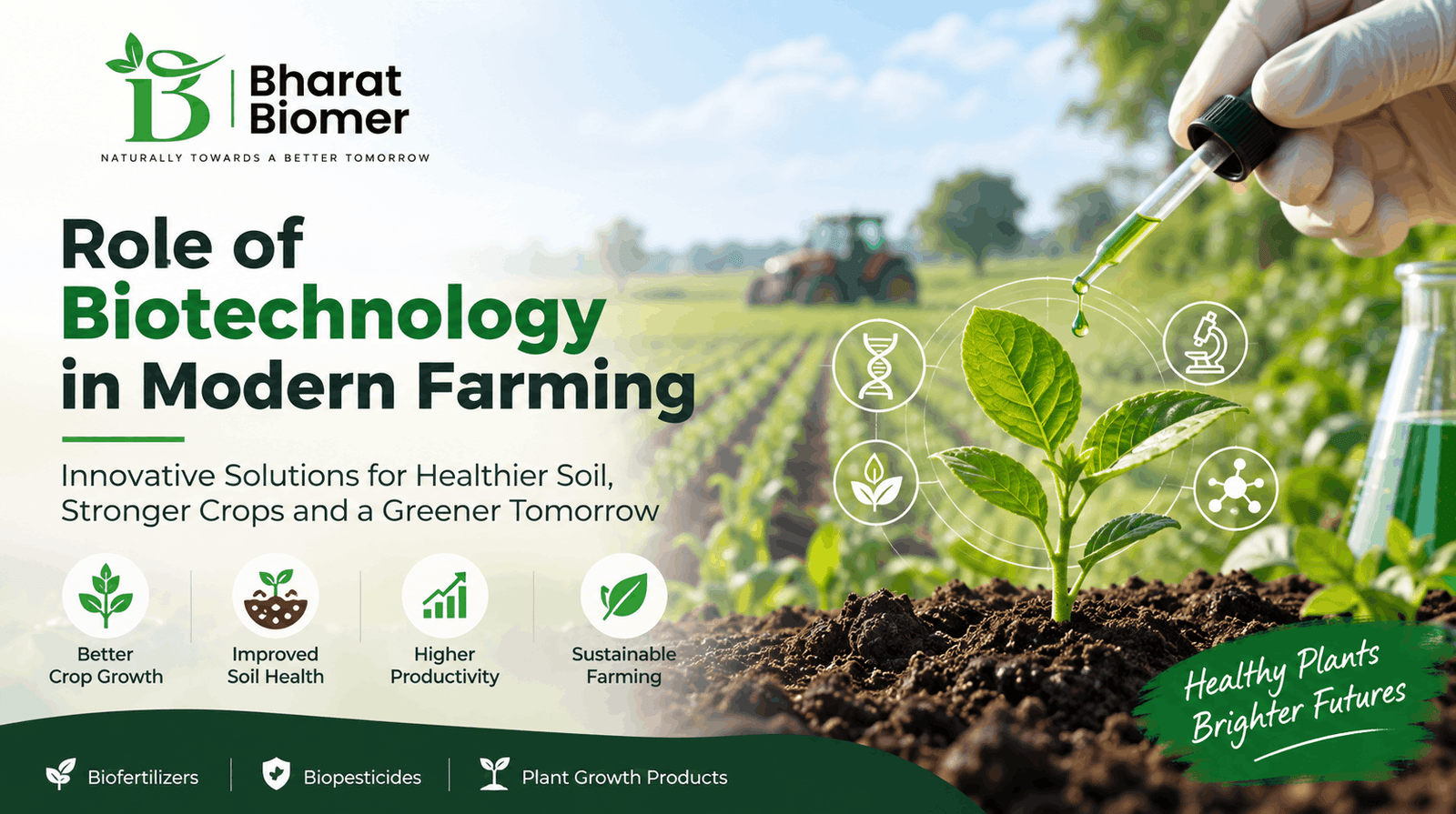
Bharat Biomer focuses on biological agricultural solutions designed to support soil vitality, nutrient uptake, crop growth, and productivity. Its solutions include microbial products, bio-stimulants, and crop nutrition support developed with a focus on long-term soil health.
Why Soil Health Matters for the Future of Farming
Farmers need to think beyond one growing season. Healthy soil can support better water management, nutrient availability, root development, and long-term crop productivity.
Organic farming provides a practical approach to building healthier agricultural systems by focusing on natural processes and responsible resource management. When farmers combine suitable organic practices with quality biological inputs, they can work toward healthier soil and better crop performance.
Conclusion
Organic farming is more than avoiding synthetic inputs. It is about creating a healthy farming system where soil, plants, and beneficial microorganisms work together. Practices such as composting, crop rotation, green manuring, and biofertilizers can help improve soil fertility and create better conditions for crop growth.
With the right approach, improving soil health today can help farmers achieve stronger crops, better quality produce, and more sustainable farming in the years ahead.
For farmers looking to adopt biological and sustainable solutions, Bharat Biomer provides science-backed products and crop-focused support aimed at improving soil health, nutrient efficiency, and crop performance.