
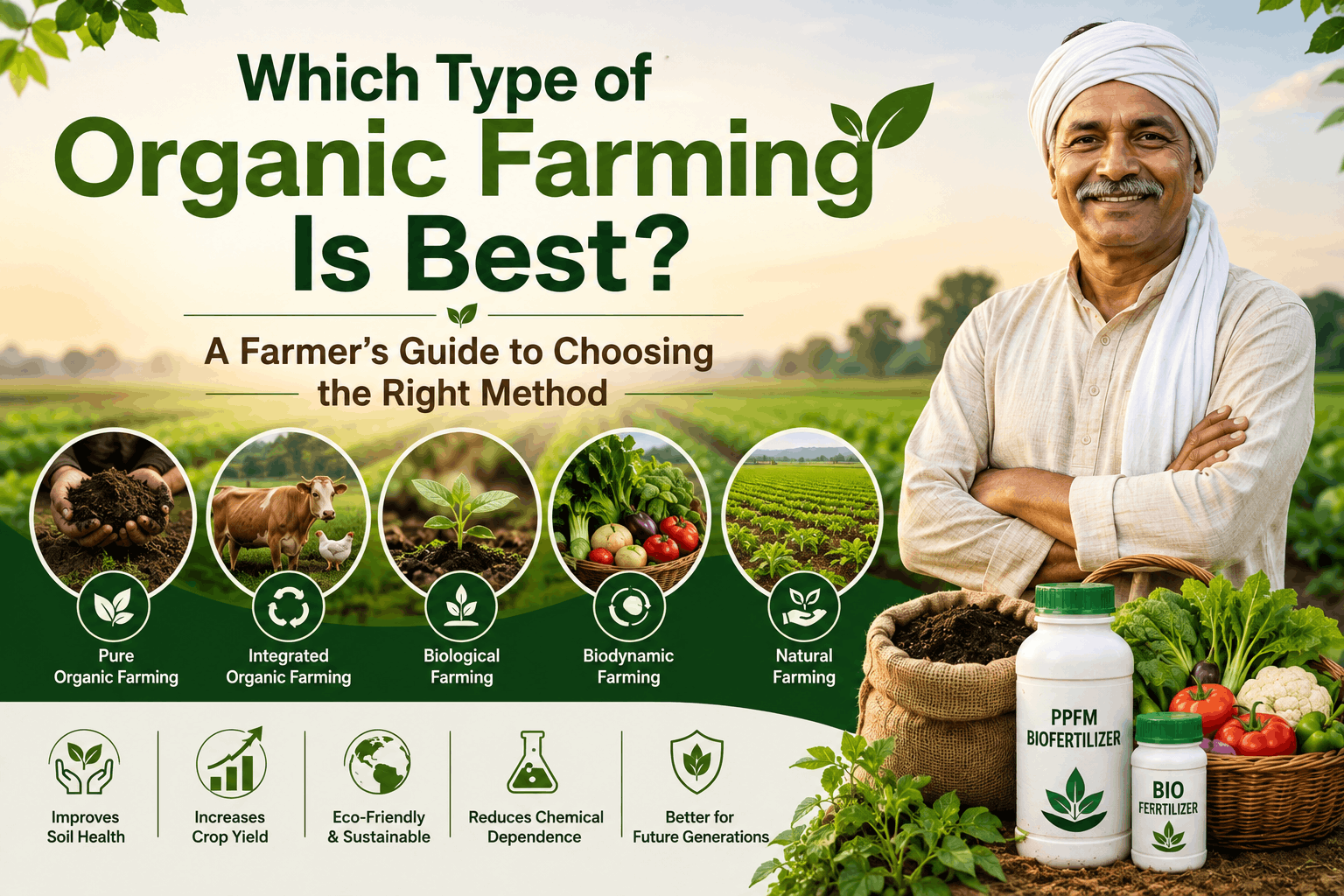
Organic farming is becoming increasingly popular among farmers who want to improve soil health, reduce chemical use, and grow healthier crops. With rising awareness about sustainable agriculture, many farmers are now looking for the best Type of Organic Farming that suits their land, crop, and farming goals.
However, not every organic farming method works the same way. Different farming systems have different benefits, and choosing the right one can help improve productivity while protecting the environment.
In this guide, we will explore the various types of organic farming, their benefits, and how farmers can select the best method for long-term success.
What Is Organic Farming?
Organic farming is a natural method of cultivation that avoids the use of synthetic fertilizers, chemical pesticides, and harmful growth regulators. Instead, it focuses on natural inputs such as biofertilizers, compost, organic manure, crop rotation, and biological pest control.
Today, organic agriculture in India is growing rapidly because it helps improve soil fertility, supports environmental sustainability, and produces healthier food for consumers.
Why Is Organic Farming Important?
Organic farming offers several advantages for farmers and the environment:
-
Improves soil structure and fertility
-
Reduces dependence on chemical fertilizers
-
Enhances water retention capacity
-
Produces healthier and safer food
-
Supports biodiversity and beneficial microorganisms
-
Reduces environmental pollution
-
Improves long-term farm productivity
These benefits make organic farming a sustainable choice for modern agriculture.
Different Types of Organic Farming
Understanding the different types of organic farming can help farmers choose the most suitable method for their crops and local conditions.
1. Pure Organic Farming
Pure organic farming completely avoids synthetic chemicals and relies only on natural inputs.
Farmers use:
-
Farmyard manure (FYM)
-
Compost
-
Vermicompost
-
Biofertilizers
-
Crop residues
This method is ideal for farmers who want to produce fully organic crops and maintain healthy soil over time.
2. Integrated Organic Farming
Integrated organic farming combines different farming activities to create a self-sustaining agricultural system.
It may include:
-
Crop production
-
Dairy farming
-
Poultry farming
-
Vermicomposting
-
Fish farming
The waste from one activity becomes a resource for another, reducing input costs and improving farm efficiency.
This is one of the most practical and profitable forms of organic farming for Indian farmers.
3. Biological Farming
Biological farming focuses on improving soil microbial activity through natural biological inputs.
Farmers use:
-
Biofertilizers
-
Beneficial microorganisms
-
Organic compost
-
Natural growth promoters
Products such as PPFM biofertilizer are widely used in biological farming because they help improve nutrient availability, enhance plant growth, and increase crop resilience.
4. Biodynamic Farming
Biodynamic farming is an advanced organic farming method that treats the farm as a complete ecosystem.
It involves:
-
Natural compost preparations
-
Crop diversity
-
Soil enrichment practices
-
Seasonal farming calendars
Although less common, biodynamic farming is gaining attention among farmers focused on premium organic produce.
5. Natural Farming
Natural farming relies on minimal external inputs and encourages crops to grow through natural ecological processes.
Popular natural farming techniques include:
-
Jeevamrut
-
Beejamrut
-
Mulching
-
Cow-based organic formulations
Natural farming helps reduce farming costs while maintaining soil health.
Which Type of Organic Farming Is Best?
The best Type of Organic Farming depends on several factors:
Farm Size
Small farmers often benefit from integrated organic farming because it allows them to use available resources efficiently.
Crop Selection
Different crops may require different nutrient management strategies. For example:
-
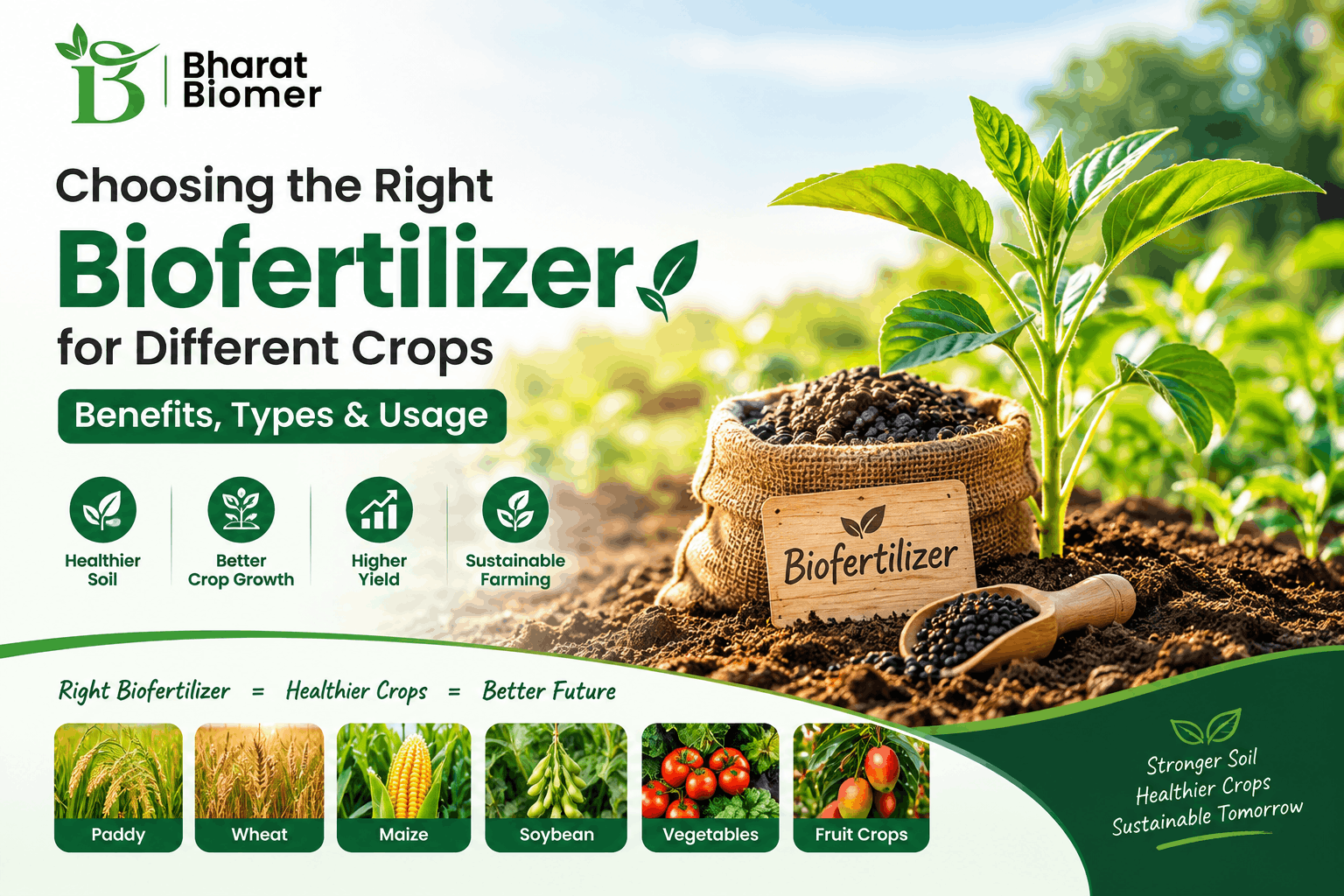
Paddy crops benefit from biofertilizers and organic nutrient management.
-
Soybean crops require balanced nutrient availability and healthy soil microorganisms.
Soil Condition
Farmers with poor soil health should focus on biological farming and compost-based methods to rebuild soil fertility.
Budget and Resources
Integrated and biological farming systems are often easier to implement and provide better returns for farmers transitioning from conventional agriculture.
For most Indian farmers, integrated organic farming combined with biological inputs offers the best balance of productivity, sustainability, and profitability.
Best Organic Solutions for Paddy and Soybean Crops
Choosing the right organic inputs is essential for achieving better crop yields.
Best Fertilizer for Paddy Crop
When searching for the best fertilizer for paddy crop, farmers should focus on products that improve nutrient uptake and strengthen root development.
Recommended organic inputs include:
-
Biofertilizer consortia
-
Azotobacter-based biofertilizers
-
Phosphate Solubilizing Bacteria (PSB)
-
Potassium Mobilizing Bacteria (KMB)
-
Organic compost
These products improve nutrient availability and support healthy paddy growth throughout the season.
Best Fertilizer for Soybean Crop
The best fertilizer for soybean crop should provide balanced nutrition while promoting nitrogen fixation.
Farmers can use:
-
Rhizobium culture
-
PSB biofertilizers
-
Organic compost
-
PPFM biofertilizer
-
Biofertilizer consortia
These inputs improve root development, nutrient absorption, and overall crop productivity.
Role of Biofertilizers in Organic Farming
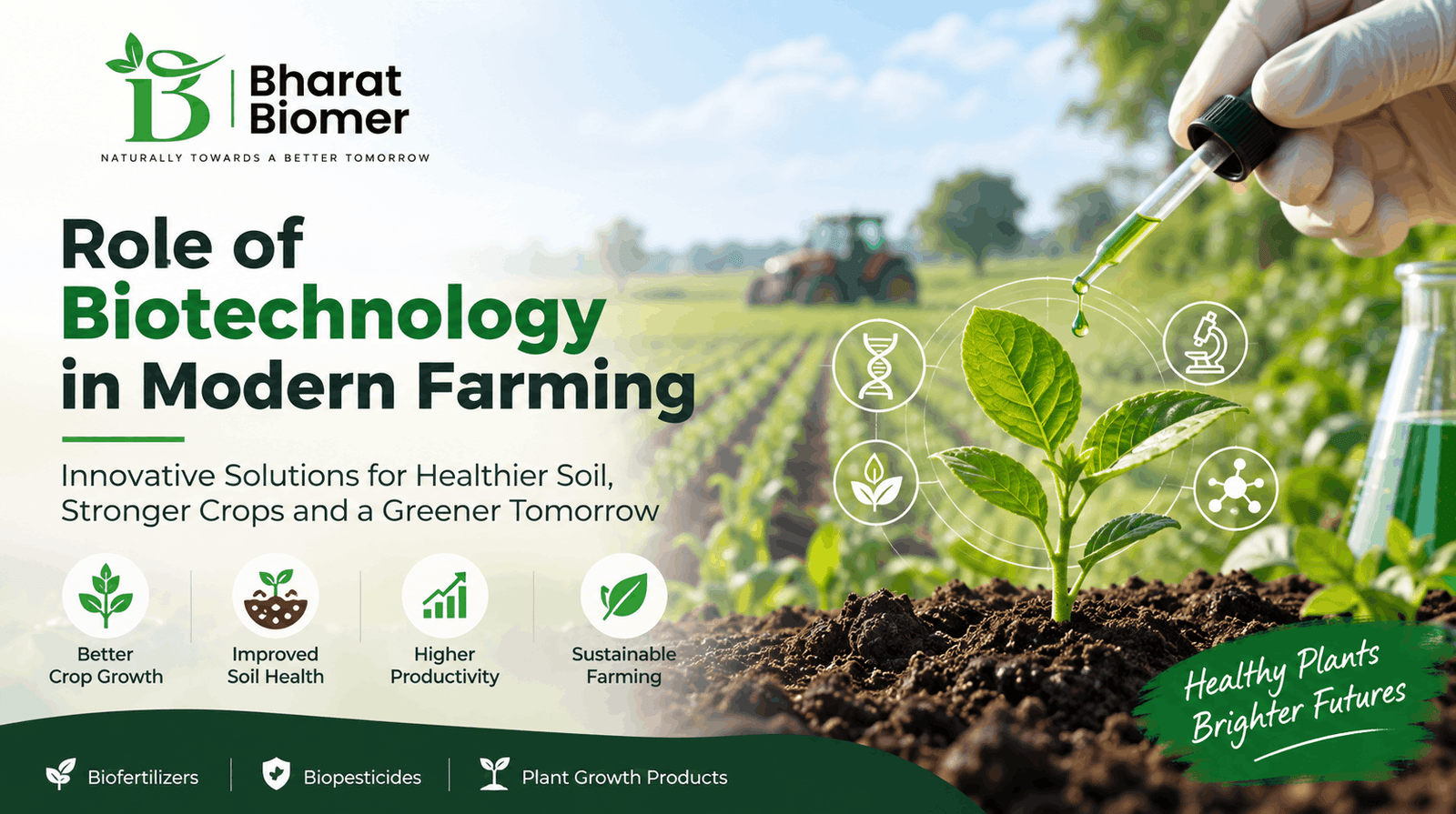
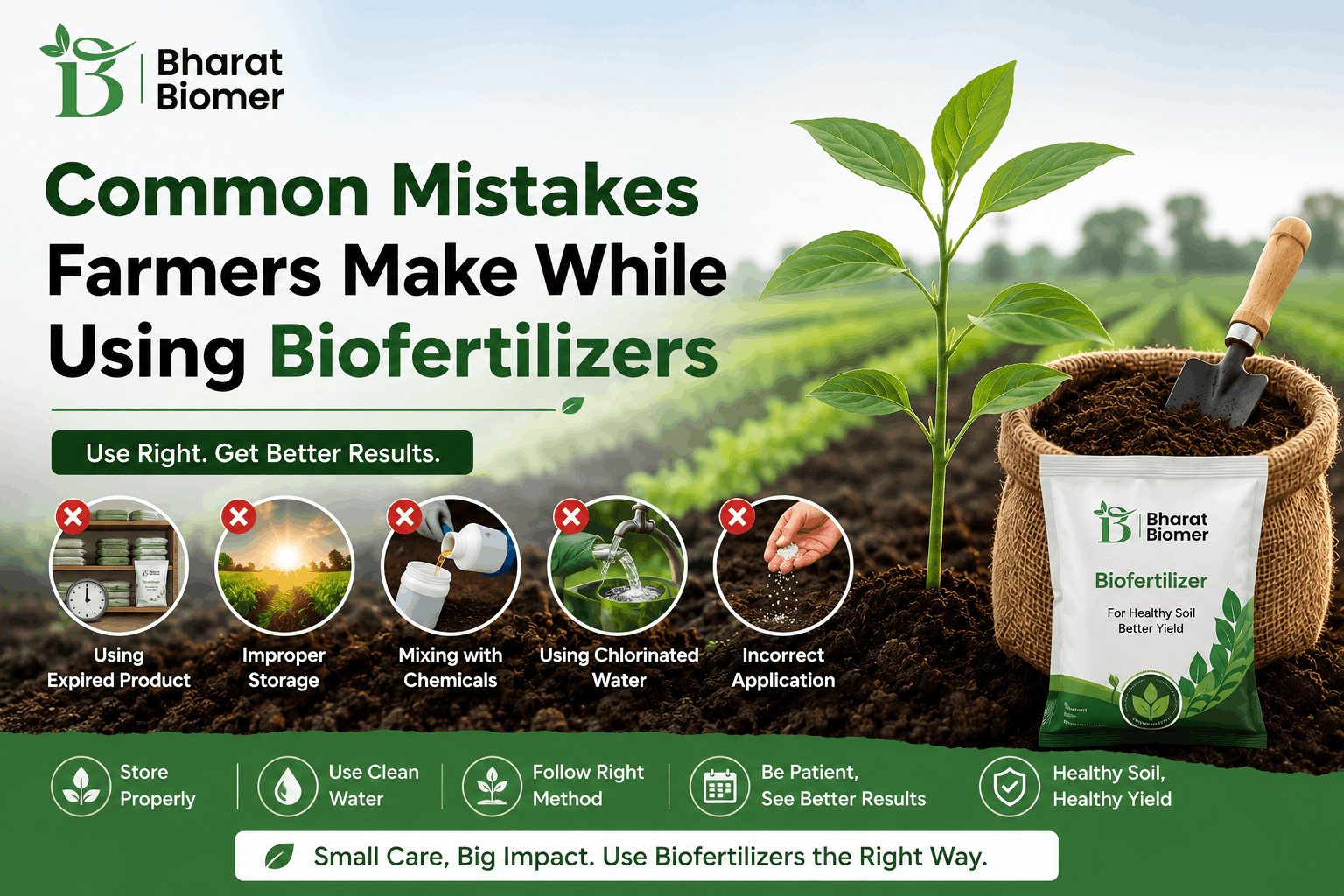
Biofertilizers play a major role in successful organic agriculture. They contain beneficial microorganisms that help plants absorb nutrients naturally.
Some common benefits include:
-
Improved soil fertility
-
Better root growth
-
Increased nutrient availability
-
Higher crop yield
-
Reduced dependence on chemical fertilizers
Among modern biological solutions, PPFM biofertilizer is gaining popularity due to its ability to support plant growth and improve crop performance under various conditions.
Organic Agriculture in India: The Future of Sustainable Farming
The future of organic agriculture in India looks promising. Growing consumer demand for chemical-free food and government support for sustainable farming practices are encouraging more farmers to adopt organic methods.
Organic farming not only protects soil and water resources but also creates long-term opportunities for higher-value agricultural products.
Bharat Biomer Pvt. Ltd & bighaat are supporting this transition by providing innovative biofertilizers, biopesticides, and plant growth solutions that help farmers improve productivity while maintaining environmental sustainability.
Conclusion
Choosing the right Type of Organic Farming is one of the most important decisions for any farmer. While every farming system has its advantages, integrated organic farming and biological farming are often the most practical and productive options for Indian agricultural conditions.
By using quality biofertilizers, organic nutrient management practices, and sustainable cultivation methods, farmers can improve soil health, increase yields, and reduce dependence on chemical inputs.
As organic agriculture in India continues to grow, adopting the right organic farming approach can help farmers build a more profitable, productive, and environmentally responsible future.