


Modern farming is shifting towards sustainable practices that improve productivity while protecting soil health. Biofertilizers have become an important part of this transformation because they provide essential nutrients naturally and support long-term agricultural sustainability. However, choosing the right biofertilizer for different crops is crucial to achieving the best results. Different crops have different nutrient requirements, and selecting the appropriate biofertilizer can significantly improve crop growth, yield, and soil fertility.
What Are Biofertilizers?
Biofertilizers are living microorganisms that help plants absorb nutrients from the soil. They enhance nutrient availability, improve soil structure, and support healthy root development. Unlike chemical fertilizers, biofertilizers work naturally with the soil ecosystem and contribute to sustainable agriculture.
Farmers who follow organic farming types often rely on biofertilizers to maintain soil fertility and reduce dependence on synthetic inputs.
Why Choosing the Right Biofertilizer Matters
Every crop requires specific nutrients for optimal growth. A biofertilizer that works well for paddy may not be equally effective for pulses or vegetables. Choosing the right product ensures:
-
Better nutrient absorption
-
Improved crop growth
-
Stronger root development
-
Increased yield
-
Enhanced soil fertility
-
Reduced environmental impact
These advantages support sustainable farming practices by improving soil fertility, reducing dependence on chemical fertilizers, and promoting healthier crop growth.
Types of Biofertilizers for Different Crops
Understanding the available biofertilizers can help farmers make informed decisions.
1. Nitrogen-Fixing Biofertilizers
These microorganisms convert atmospheric nitrogen into a form that plants can absorb.
Best suited for:
-
Paddy
-
Wheat
-
Maize
-
Sugarcane
Examples include Azotobacter and Azospirillum.
2. Rhizobium Biofertilizers
Rhizobium forms a symbiotic relationship with leguminous crops and helps fix nitrogen naturally.
Best suited for:
-
Chickpea
-
Pea
-
Lentil
-
Soybean
3. Phosphate Solubilizing Biofertilizers (PSB)
These microorganisms make phosphorus available to plants by converting insoluble phosphorus into an absorbable form.
Best suited for:
-
Vegetables
-
Fruits
-
Oilseeds
-
Cereals
4. Potassium Mobilizing Biofertilizers
These biofertilizers help release potassium from soil minerals and improve plant growth.
Best suited for:
-
Cotton
-
Banana
-
Sugarcane
-
Horticultural crops
5. Mycorrhizal Biofertilizers
Mycorrhiza forms a beneficial association with plant roots and improves nutrient and water uptake.
Best suited for:
-
Fruit crops
-
Plantation crops
-
Vegetables
-
Forestry plants
How to Choose the Right Biofertilizer
Identify Crop Requirements
The first step is understanding the nutrient needs of the crop. Legumes generally require Rhizobium-based biofertilizers, while cereals often benefit from nitrogen-fixing microorganisms.
Evaluate Soil Health
A soil test can help determine nutrient deficiencies and guide biofertilizer selection. Healthy soil management is a key aspect of types of organic farming practiced across India.
Consider Crop Growth Stage
Different growth stages require different nutrients. Seed treatment, root dipping, and soil application methods can be selected based on crop requirements.
Check Product Quality
Always choose biofertilizers from trusted manufacturers that follow quality standards. High-quality products contain active and effective microorganisms that perform consistently in field conditions.
Match the Biofertilizer with Farming Practices
Farmers adopting organic farming types should select biofertilizers compatible with their cultivation methods and crop rotation systems.
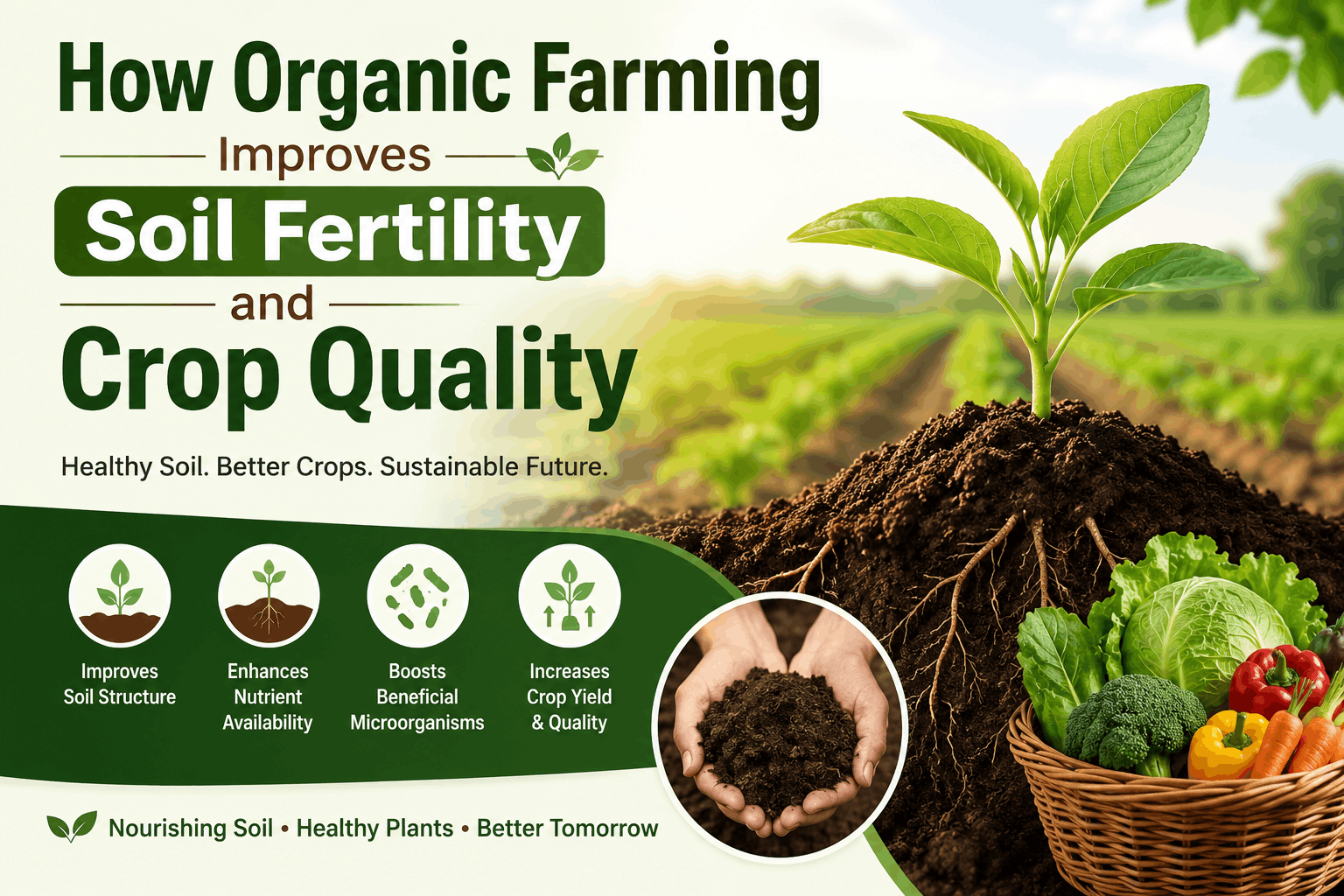
Biofertilizers and Organic Farming
The growing popularity of organic agriculture has increased the demand for biofertilizers. Many farmers are exploring various types of organic farming to improve sustainability and profitability.
Biofertilizers support organic farming by:
-
Enhancing natural nutrient cycling
-
Improving soil microbial activity
-
Reducing chemical fertilizer dependency
-
Supporting environmentally friendly cultivation
These benefits help create a healthier farming ecosystem by improving soil quality, supporting beneficial microorganisms, reducing environmental impact, and enhancing long-term agricultural productivity.
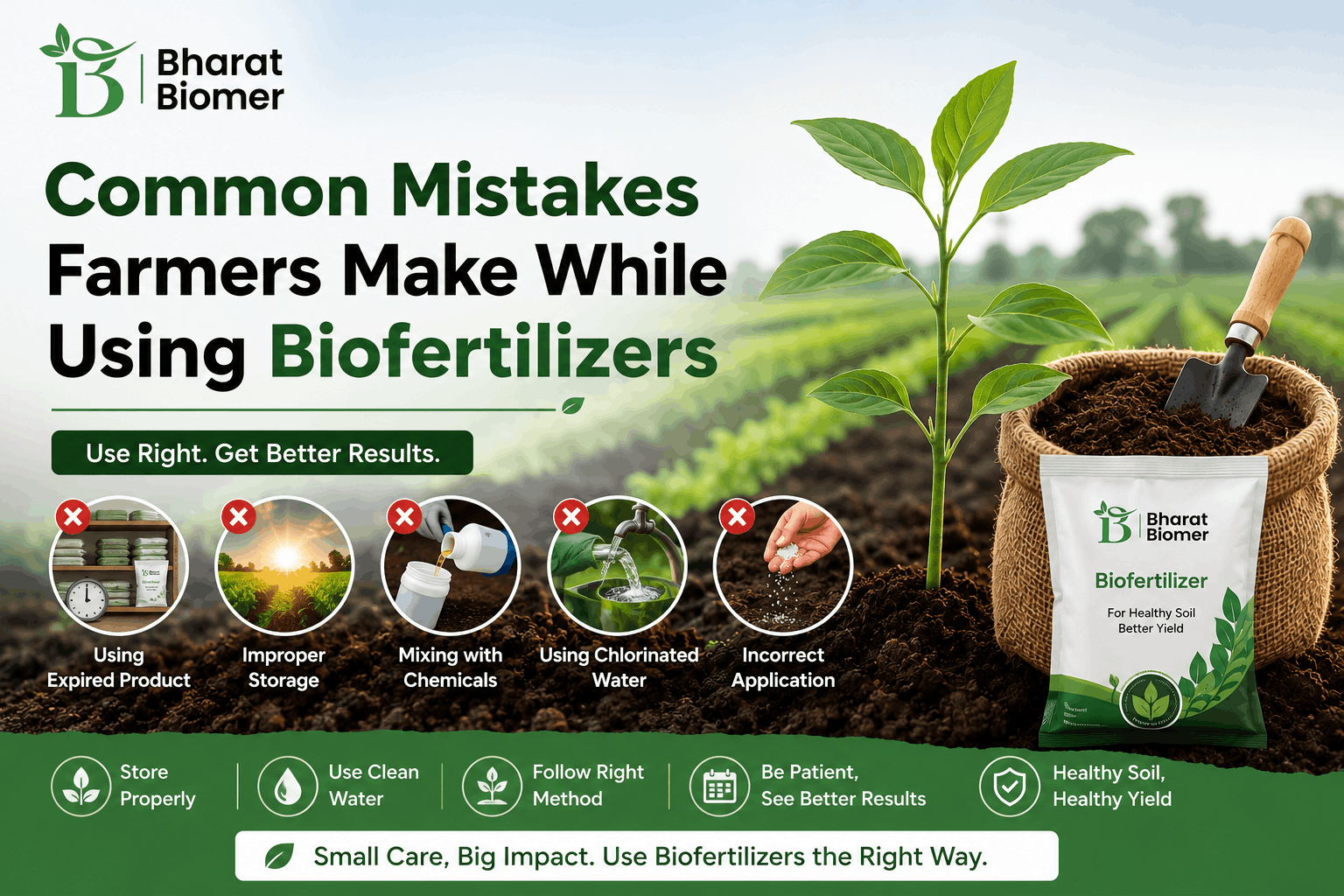
Common Mistakes Farmers Should Avoid
While using biofertilizers, farmers should avoid:
-
Using expired products
-
Storing products in direct sunlight
-
Mixing biofertilizers with incompatible chemicals
-
Applying incorrect dosages
-
Ignoring soil testing
Avoiding these mistakes can significantly improve the effectiveness of biofertilizer applications.
Conclusion
Choosing the right biofertilizer is essential for maximizing crop performance and maintaining soil health. Different crops require different microbial solutions, and selecting the appropriate biofertilizer can help farmers achieve higher productivity naturally. As sustainable agriculture continues to grow, biofertilizers will play a vital role in supporting various organic farming types and promoting environmentally responsible cultivation practices.
Whether you are growing cereals, pulses, vegetables, or fruit crops, understanding crop requirements and soil conditions can help you select the most suitable biofertilizer. Combined with the principles behind the benefits of organic farming and modern types of organic farming, biofertilizers can contribute to healthier crops, fertile soil, and a more sustainable future for agriculture.