
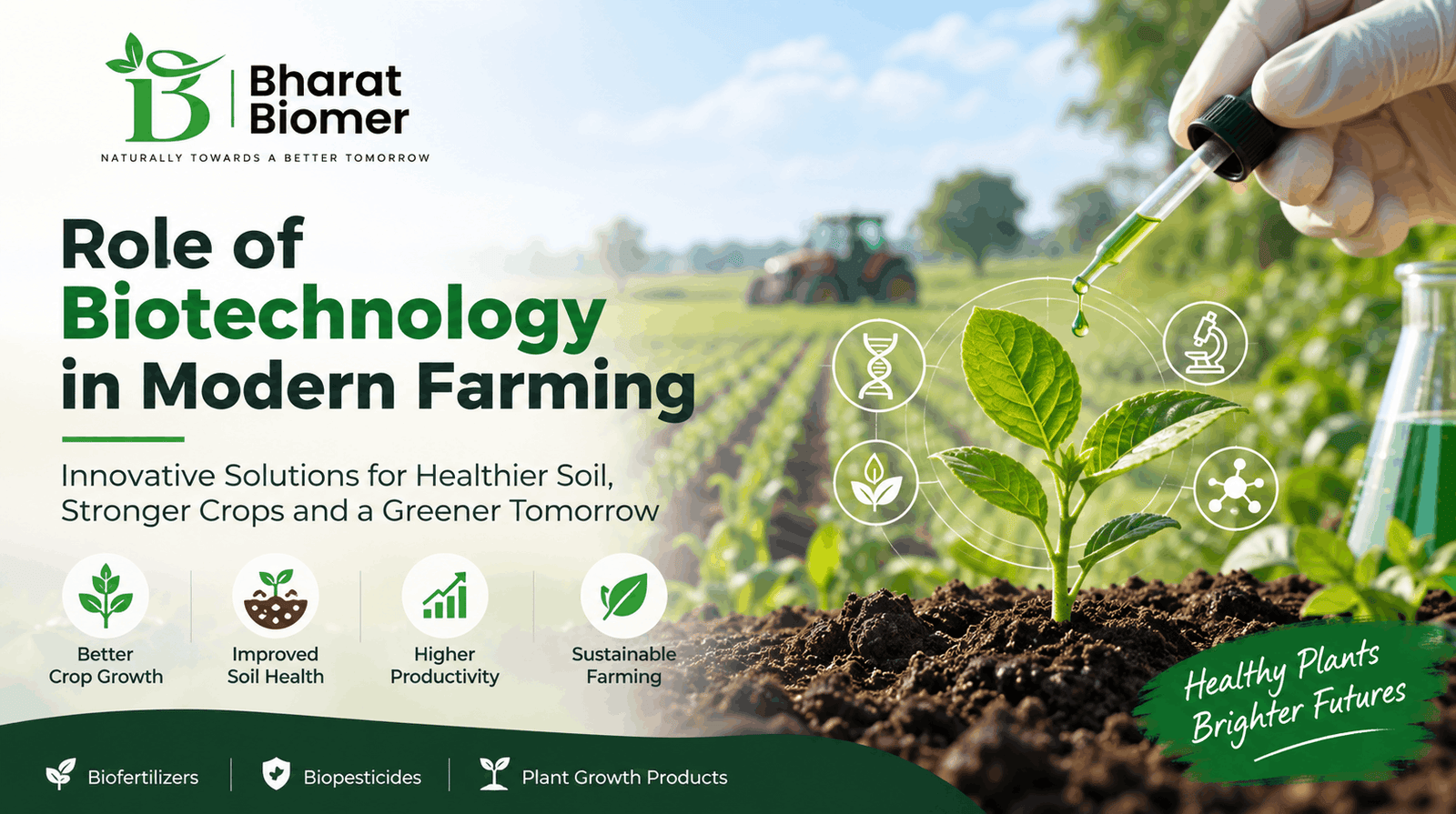
Agriculture has changed significantly over the past few decades. Farmers today face many challenges, including changing weather patterns, declining soil fertility, pest attacks, and the need to produce more food for a growing population. To address these challenges, science and technology have become important tools in modern agriculture. One of the most impactful developments is biotechnology in modern farming, which is helping farmers improve productivity while promoting sustainable agricultural practices.
Biotechnology combines biological science with technology to develop solutions that enhance crop growth, improve soil health, and support efficient farming methods. As agriculture continues to evolve, biotechnology in modern farming is becoming an important part of achieving higher yields and long-term sustainability.
Understanding Biotechnology in Agriculture
In simple terms, biotechnology involves the use of living organisms, biological processes, and scientific innovations to improve agricultural outcomes. It can help farmers manage crops more effectively, reduce losses caused by pests and diseases, and make better use of available resources.
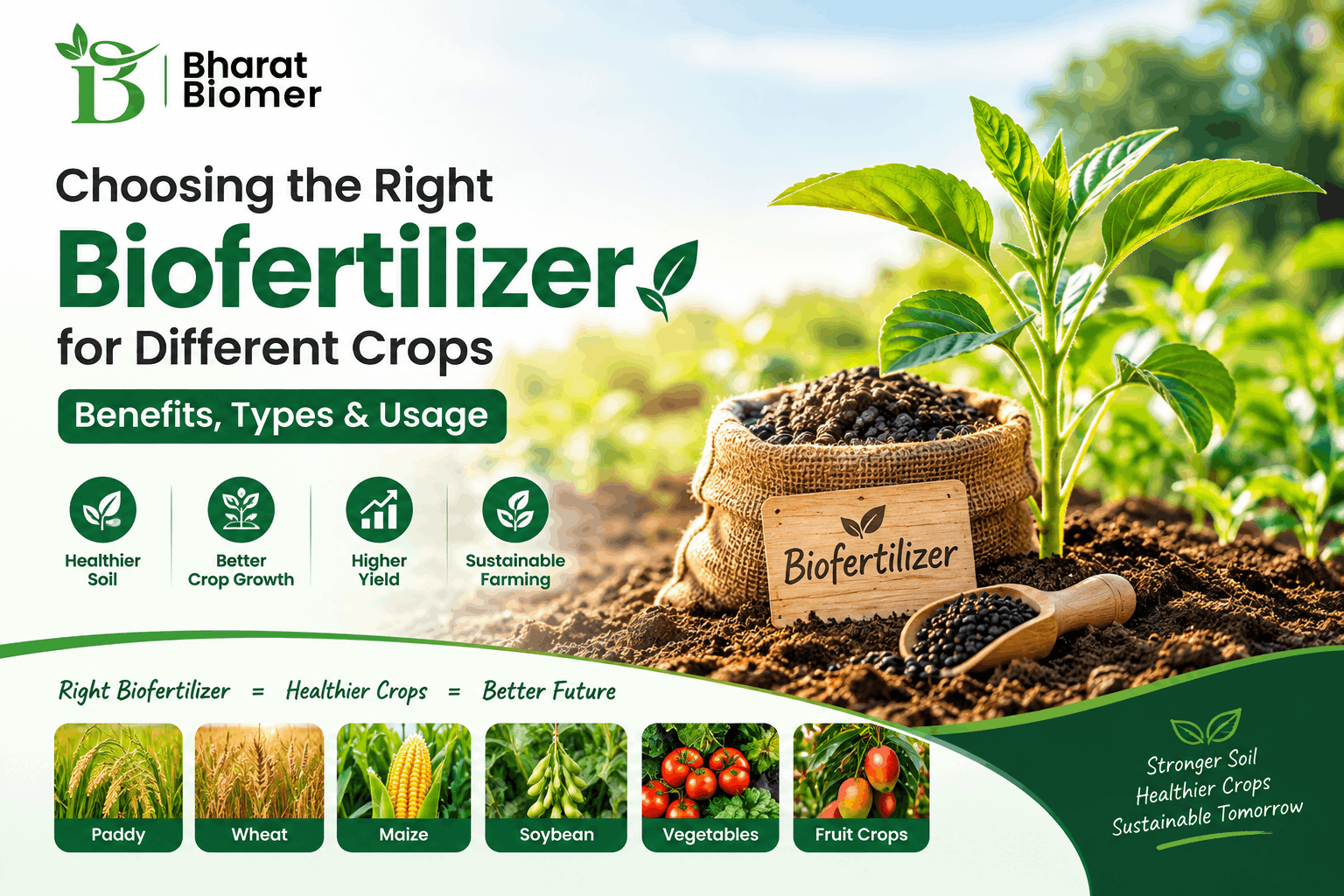
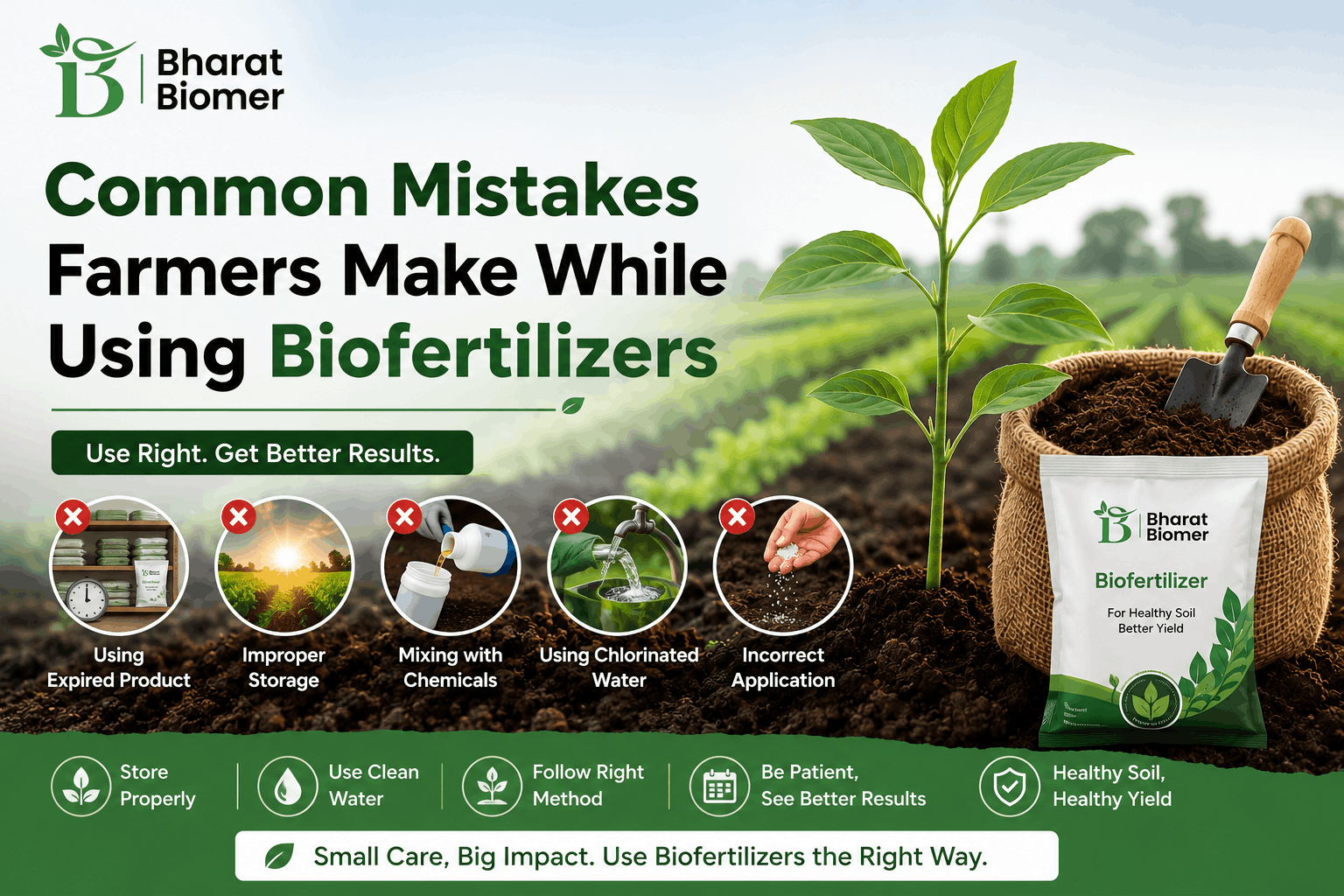
The role of biotechnology in modern farming extends beyond increasing crop production. It also contributes to environmental sustainability by encouraging practices that reduce chemical dependency and improve soil quality. Today, many farmers are adopting biotechnology-based solutions such as biofertilizers, biopesticides, and plant growth promoters to support healthier crop development.
Improving Crop Productivity
One of the primary benefits of biotechnology in modern farming is its ability to improve crop productivity. Farmers often struggle with poor soil conditions, nutrient deficiencies, and plant diseases that can reduce yields. Biotechnology-based products help address these challenges by supporting stronger plant growth and improving nutrient absorption.
Healthy crops are more capable of withstanding environmental stress and producing better harvests. As a result, farmers can achieve improved productivity while maintaining soil health for future growing seasons.
Supporting Sustainable Farming Practices
Sustainability has become a major focus in agriculture. Farmers are increasingly looking for methods that protect natural resources while maintaining profitability. This is where biotechnology in modern farming plays an important role.
Biotechnology supports sustainable agriculture by promoting the use of biological inputs that work naturally with the environment. These solutions can help reduce the excessive use of synthetic chemicals while encouraging healthier soil ecosystems. Sustainable farming practices not only benefit the environment but also contribute to long-term agricultural success.
Understanding the Types of Organic Farming
As sustainable agriculture gains popularity, many farmers are exploring the different types of organic farming available to them. Organic farming focuses on natural methods of crop production while minimizing the use of synthetic inputs.
The most common types of organic farming include pure organic farming and integrated organic farming. Pure organic farming relies entirely on natural resources and biological processes, while integrated organic farming combines organic methods with modern scientific approaches to improve efficiency.
Learning about the various types of organic farming can help farmers choose practices that best suit their land, crops, and production goals.
Organic Farming Types and Their Benefits
There are several organic farming types that farmers can adopt depending on their specific needs. Some methods focus on soil improvement, while others emphasize biodiversity and natural pest management.
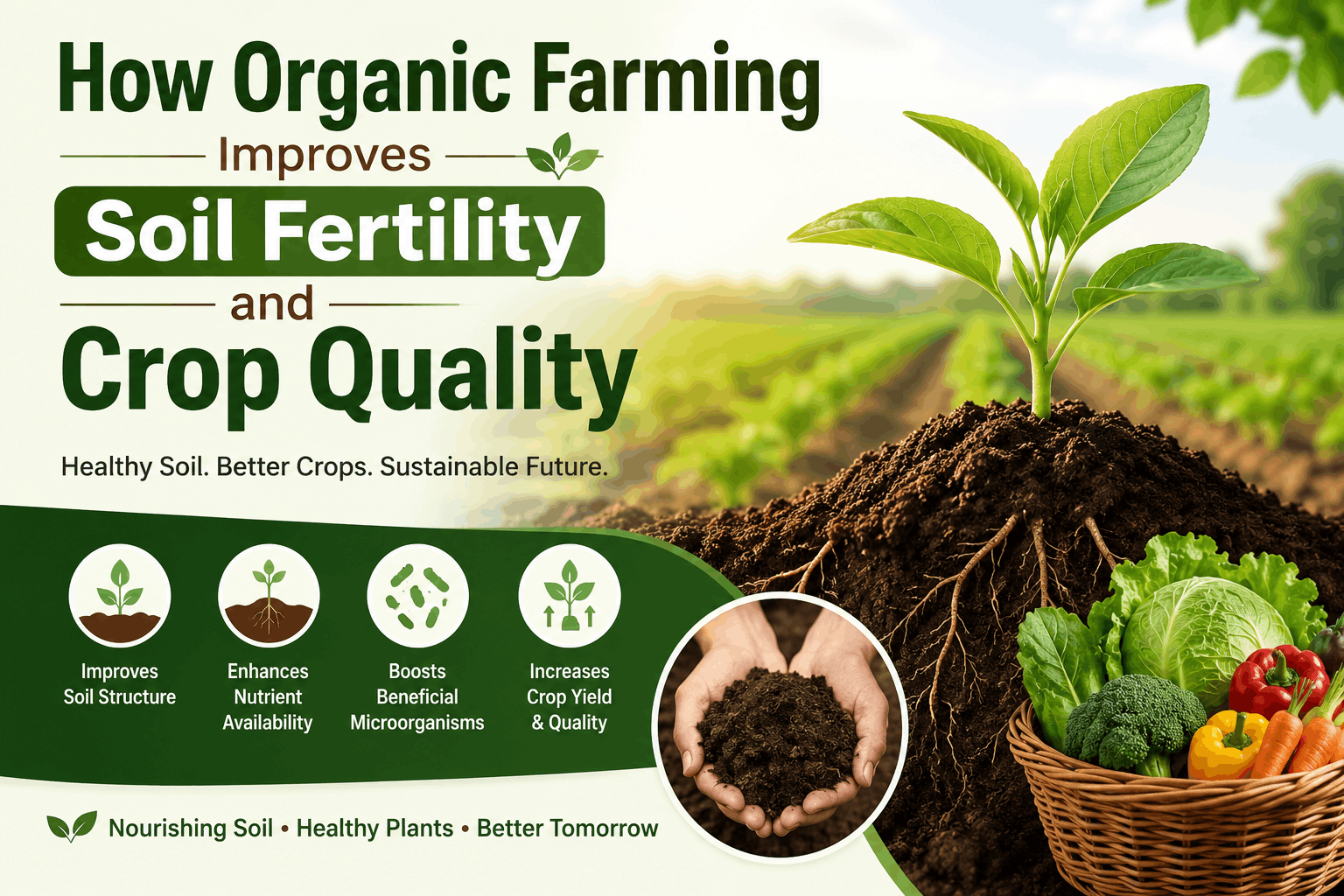
Different organic farming types encourage healthier soil, improved water retention, and enhanced microbial activity. These benefits contribute to stronger crop growth and greater resilience against environmental challenges.
As awareness of sustainable agriculture grows, many farmers are exploring various organic farming types to create farming systems that balance productivity with environmental responsibility.
Biotechnology and Organic Agriculture
Many people assume that biotechnology and organic farming are entirely separate approaches. However, there are areas where they complement each other. Biological products such as biofertilizers and biopesticides are examples of biotechnology-based solutions that support sustainable and organic farming practices.
The connection between biotechnology in modern farming and sustainable agriculture is becoming increasingly important. These technologies help farmers improve crop performance while reducing dependence on harmful agricultural inputs.
Understanding the different types of organic farming and integrating suitable biotechnology-based solutions can help farmers achieve better results while protecting natural resources.
Enhancing Soil Health and Crop Protection
Healthy soil is the foundation of successful farming. Biotechnology-based products support beneficial microorganisms that improve nutrient availability and soil structure. Strong soil health contributes to better crop development and long-term productivity.
Similarly, biotechnology also plays a role in crop protection. Biological pest management solutions help farmers manage harmful insects and diseases without causing significant damage to the surrounding ecosystem.
This balanced approach demonstrates how biotechnology in modern farming can support both productivity and sustainability at the same time.
The Future of Farming
Agriculture will continue to face new challenges as climate conditions change and food demand increases. To meet these challenges, farmers will need innovative solutions that improve efficiency while protecting natural resources.
Both types of organic farming and modern biotechnology are expected to play an important role in shaping the future of agriculture. By combining scientific innovation with sustainable farming practices, farmers can build resilient agricultural systems that support long-term food production.
Conclusion
The growing importance of biotechnology in modern farming highlights the role of innovation in creating a more sustainable agricultural future. From improving crop productivity and soil health to supporting environmentally responsible farming practices, biotechnology offers valuable solutions for modern agriculture.
At the same time, understanding different organic farming types and the various types of organic farming available can help farmers adopt practices that improve sustainability and long-term farm performance. Together, biotechnology and sustainable farming methods can help create healthier crops, stronger soils, and a more resilient agricultural sector for future generations.